
Good Morning Friends,
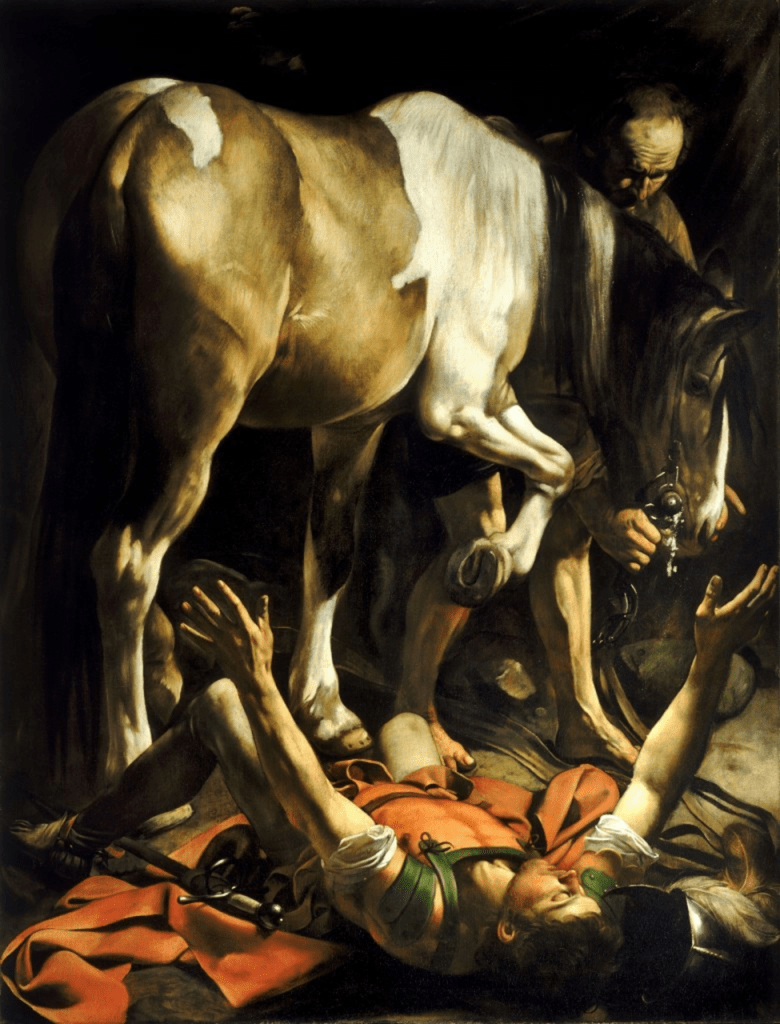
I have included a copy of the painting of the stoning of Stephen in the devotional today as a Visio Divina as well as Caravaggio’s painting of Paul being knocked off his horse as part of his conversion on the road to Damascus. I do this in the hope that they might speak to you as well as the scripture as you encounter God in your life. Note how the painting and scripture invites us into the power of the moment Stephen was being stoned and Paul being humbled. Note the contrasts of the great evil and darkness and great good and light that eventually came from the events and that neither Paul nor Stephen could hide from God’s will for them as we contemplate the reality of the complacency of our own past and the choices God has made for us. Note that the 19-year-old Rembrandt, in his youth, in his first signed painting includes a self-portrait of himself as a reluctant participant in the death of Stephen and perhaps also the death of Christ. And imagine us immersed in the events in the light and darkness that seem to confound reality or perhaps portray the reality that darkness and light come out of us as well in relationship to the Holy Spirit. So, resting in the hope of God’s love in us I wonder, Are We Choosing the Spirit’s Work?
Visio Divina Images
Image 1: Rembrandt, The Stoning of Saint Stephen — Stephen glowing with forgiveness; Saul holding the cloaks.
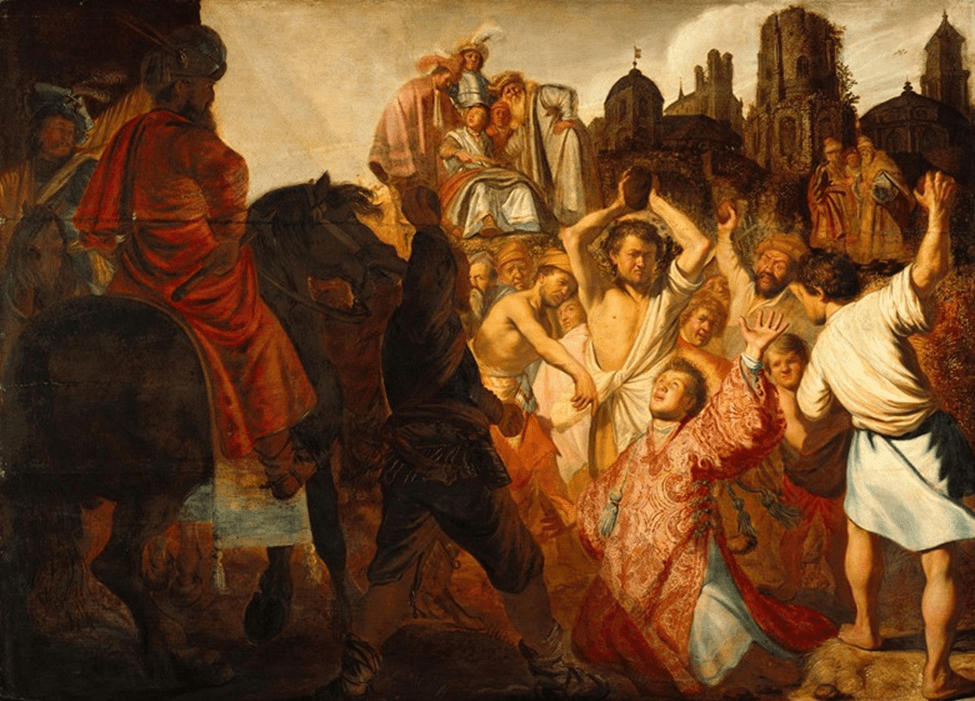
Image 2: Caravaggio, The Conversion of Saint Paul — Saul knocked down by light, humbled and undone.
Scripture Summaries
Acts 7:51–8:1a
Stephen confronts Israel for resisting the Holy Spirit, just as their ancestors resisted the prophets. As he is stoned, he sees Jesus standing at God’s right hand. He prays for his killers’ forgiveness, while a young Saul watches and approves.
“While they were stoning Stephen, he prayed… ‘Lord, do not hold this sin against them.’”
Acts 9:4
On the Damascus road, the risen Christ confronts Saul:
“Saul, Saul, why do you persecute me?”
John 6:30–35
The crowd asks Jesus for a sign like the manna in the wilderness. Jesus replies that the true bread from heaven is not Moses’ gift but God’s—and that He Himself is that bread, the One who satisfies every hunger.
Psalm 31:2–23
David cries out from distress and persecution, yet anchors himself in God’s steadfast love. He entrusts his spirit to God, confident that God preserves the faithful and shelters them in His presence.
Message: Stephen’s life and death force us to confront a truth we often avoid: we are always choosing—either resisting the Spirit or yielding to Him. Stephen fed widows with physical bread, but in his dying he offered something deeper: the bread of a life fully surrendered to Christ. His final words echo Jesus’ own—entrusting his spirit to God and forgiving his enemies. That kind of courage doesn’t come from personality; it comes from the Spirit’s fire. And notice the mystery of grace: Stephen’s glow becomes Saul’s seed. The man who approved his death becomes the man Christ confronts, humbles, and transforms. The light that shone on Stephen becomes the light that knocks Saul to the ground. God wastes nothing—not suffering, not injustice, not even our worst choices. Jesus calls Himself the Bread of Life because He is the One who nourishes us into the people we were meant to be. We don’t simply admire Him; we take Him in. We become what we eat. And when His life becomes our life, we begin to make choices that reflect His love—choices that feed others, choices that push back the darkness, choices that carry the Spirit’s fire into the world.
And So, the question is not whether we are making choices. The question is whether our choices are consistent with the work of the Holy Spirit.
Pray the Lord, give us Stephen’s courage, Stephen’s clarity, and Stephen’s compassion. Pray God make us hungry for the Bread of Life and that Your Spirit would shape our choices so that Your light shines through us—even in places of darkness.
Blessings,
John Lawson


